


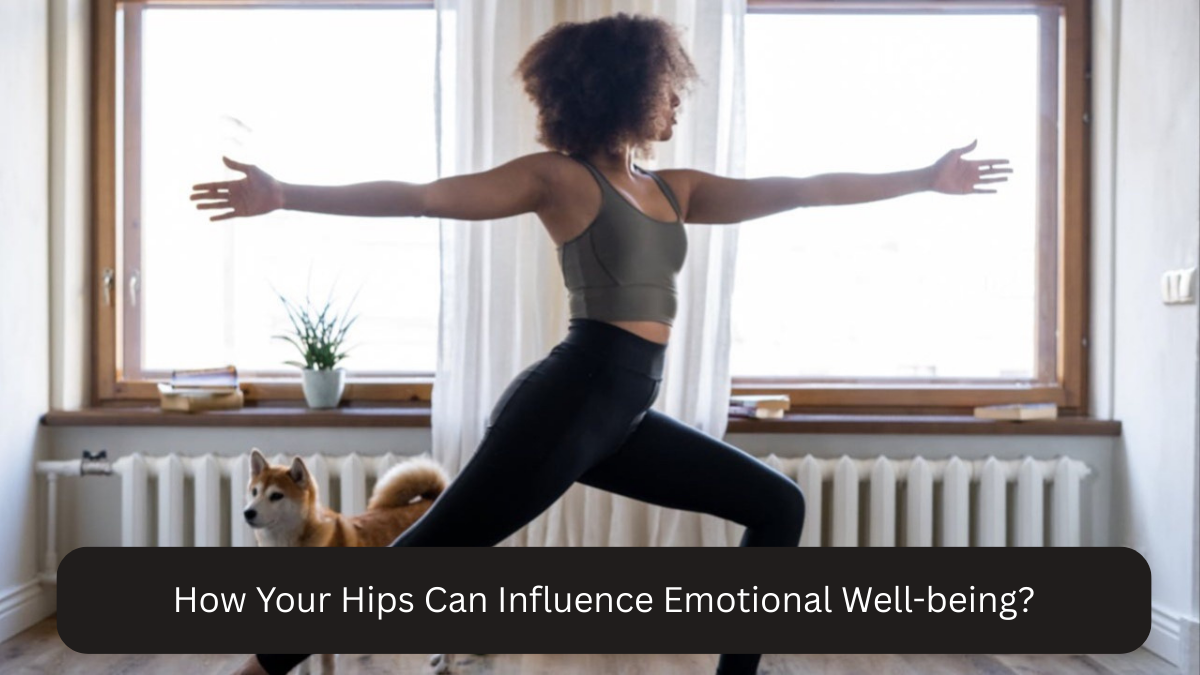
Your hips are more than just a joint connecting your legs to your torso. In both physical and emotional health, they play a surprising role. Tight, stiff hips can affect not only your mobility but also your emotional state. Here’s how hip health connects to emotional well-being and what you can do about it.
1. The Body-Mind Connection
Our bodies store emotions in muscles and connective tissues. The hips, in particular, are known to hold stress, fear, and tension. Many yoga and mindfulness practices highlight that releasing tight hips can release emotional blockages. When hips are flexible, it can help your mind feel more relaxed.

2. Hip Flexors and Stress
Hip flexors are the muscles at the front of your hips that allow you to lift your legs. They tighten from prolonged sitting or stress. Chronic hip flexor tightness can signal accumulated tension, which is often linked to anxiety. Stretching and opening the hip flexors can reduce this physical stress and support a calmer mental state.
3. The “Fear Center” and Hips
Some holistic health experts call the hips the “fear center” of the body. They argue that holding tension in the hips is connected to suppressed fears or emotional trauma. When hip muscles are released through stretching or movement, it may help release suppressed emotions, leaving you feeling lighter and more at ease.
4. Movement Boosts Mood
Hip-opening exercises increase blood flow and release endorphins, the body’s natural mood enhancers. Activities like yoga, Pilates, or dynamic stretches target the hips and also stimulate mental clarity and emotional release. A simple hip stretch can sometimes have a surprising calming effect after a stressful day.
5. Connection to Lower Back and Core
Tight hips can affect the lower back and core muscles. Pain or stiffness in these areas can create physical discomfort that negatively impacts mood. By maintaining hip flexibility, you reduce physical stress, which in turn supports better emotional well-being.
6. Hips and Posture
Proper hip alignment contributes to good posture. Poor posture caused by tight hips can make you feel lethargic or tense. Conversely, open hips help you stand tall, feel confident, and experience less mental fatigue. Small changes in physical alignment can have big effects on mental outlook.
7. Emotional Release Through Stretching
Many people notice that stretching the hips can trigger emotional responses such as crying or laughing unexpectedly. This is because the hips store tension accumulated over time. Gentle, mindful stretching helps release these emotions safely, leading to a sense of relief and lightness.
8. Hips and Energy Flow
Traditional practices like yoga and tai chi view hips as an energy hub. The hip area influences how energy flows throughout the body. Stagnant hips can block energy, potentially affecting motivation, creativity, and emotional balance. Opening the hips supports a more harmonious energy flow.
9. Daily Activities and Hip Health
Everyday habits like prolonged sitting, poor posture, or repetitive movements contribute to hip tightness. Chronic stiffness can make you feel trapped in discomfort, which can subtly impact your mood over time. Simple daily stretches or movement breaks can improve both physical and emotional states.
10. Mindful Movement and Emotional Awareness
Practices such as yoga, tai chi, and Pilates focus on slow, mindful movements. Paying attention to how your hips feel during these exercises enhances body awareness. This awareness can translate into better emotional awareness, helping you notice stress, anxiety, or tension earlier and respond more effectively.
11. Social and Psychological Benefits
When hip mobility improves, physical activity becomes easier and more enjoyable. This encourages social engagement through activities like walking, dancing, or group exercise. Social interaction boosts mental health, reduces stress, and improves overall emotional well-being.
Tips for Supporting Hip and Emotional Health
- Practice hip-opening stretches regularly.
- Incorporate yoga or Pilates for flexibility and mindfulness.
- Take movement breaks during prolonged sitting.
- Focus on deep breathing while stretching to release tension.
- Engage in physical activity that you enjoy, which naturally improves mood.
Benefits of Healthy, Flexible Hips for Emotional Well-being
- Reduced stress and anxiety.
- Enhanced body awareness and emotional intelligence.
- Improved posture and confidence.
- Greater physical comfort leading to better mental health.
- Increased energy and motivation for daily tasks.
- Easier participation in enjoyable physical and social activities.
FAQs
Q1: Can tight hips really affect emotions?
A1: Yes, muscles, especially in the hips, can hold tension linked to stress, fear, and suppressed emotions. Releasing this tension can positively impact emotional health.
Q2: How often should I stretch my hips for emotional benefits?
A2: Daily gentle stretching or 3–5 times per week of focused hip exercises can improve both flexibility and emotional well-being.
Q3: Can yoga help with emotional release through hips?
A3: Absolutely. Yoga poses like pigeon, happy baby, and lunges are excellent for opening the hips and encouraging emotional release.
Q4: Is it normal to feel emotional during hip stretches?
A4: Yes. Many people experience unexpected emotions like crying or laughing when releasing tension in the hips. This is a natural process of emotional release.
Q5: Are there other ways to improve hip health besides stretching?
A5: Strengthening hip muscles, regular movement, posture correction, and mindful breathing exercises all support hip health and emotional well-being.
Conclusion
The hips play a significant role in both physical and emotional health. Tight hips can contribute to stress, anxiety, and emotional tension, while flexible, open hips support relaxation, energy flow, and emotional clarity. By incorporating hip stretches, mindful movement, and strengthening exercises, you not only improve mobility and reduce pain but also nurture your emotional well-being. Paying attention to your hips can unlock a deeper sense of balance, confidence, and emotional freedom in daily life.