


Hip mobility is often overlooked in fitness routines, yet it plays a critical role in overall movement, posture, and injury prevention. Many people experience stiffness or discomfort in their hips due to prolonged sitting, poor posture, or lack of regular exercise.
Incorporating hip mobility exercises into your daily routine can improve flexibility, enhance athletic performance, and reduce the risk of injuries in your lower back, knees, and hips. In this article, we will explore five simple hip mobility exercises that you can practice every day to maintain healthy, flexible hips.

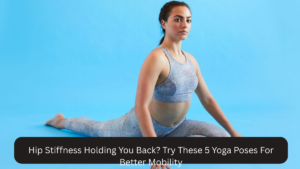
1. Hip Circles
Hip circles are an excellent way to warm up the hip joints and improve their range of motion. This exercise targets the muscles surrounding the hip, including the glutes, hip flexors, and lower back, and encourages fluid movement. To perform hip circles, stand with your feet shoulder-width apart and place your hands on your hips.
Slowly rotate your hips in a circular motion, making large, controlled movements. Perform 10 circles in one direction, then switch to the opposite direction. You can also perform this exercise while lying on your back, making circles with one leg at a time. Hip circles help lubricate the hip joints, increase blood flow, and prepare your body for more dynamic movements.

2. Lunge with a Twist
Lunges are a fundamental lower-body exercise, but adding a twist enhances hip mobility by engaging the core and opening up the hip flexors. Start by stepping forward into a lunge position, ensuring your front knee is directly above your ankle and your back knee is hovering just above the ground.
Place your hands together at chest level and gently rotate your torso toward the side of your front leg. Hold this position for a few seconds, return to the starting position, and repeat on the other side. This exercise stretches the hip flexors and strengthens the glutes while improving rotational mobility in the spine. Practicing this daily can relieve tightness from prolonged sitting and enhance functional movement in activities such as walking, running, or sports.
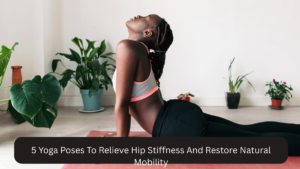
3. Butterfly Stretch
The butterfly stretch is a classic exercise that targets the inner thighs and hips. Sit on the floor with your feet together, allowing your knees to fall outward toward the ground. Hold your feet with your hands and gently press your knees closer to the floor using your elbows.
Keep your back straight and avoid hunching forward. Hold this position for 20 to 30 seconds while taking deep breaths. The butterfly stretch improves hip adductor flexibility and reduces tension in the groin area. Regular practice helps with activities that require lateral movements, such as squats, side lunges, or certain sports like soccer and tennis.
4. Pigeon Pose
The pigeon pose is a yoga-inspired hip opener that targets the glutes, hip flexors, and piriformis muscles. Begin in a plank position and bring one knee forward, placing it behind your hands while extending the opposite leg straight back. Square your hips toward the front and lower your body gently toward the floor.
You can stay upright or lean forward to increase the stretch. Hold the position for 30 seconds to one minute and switch sides. This exercise is particularly effective for releasing tension in the glutes and reducing lower back discomfort. Pigeon pose also enhances hip external rotation, which is crucial for squatting, running, and maintaining proper posture throughout the day.
5. Standing Hip Flexor Stretch
Tight hip flexors are common due to long periods of sitting and can lead to lower back pain and poor posture. The standing hip flexor stretch is simple but highly effective in elongating these muscles. Stand with one foot forward in a staggered stance, bending the front knee slightly while keeping the back leg straight. Engage your glutes and gently push your hips forward, feeling a stretch in the front of the hip and thigh of the back leg.
Hold for 20 to 30 seconds and repeat on the other side. Incorporating this stretch into your daily routine helps improve walking mechanics, running stride, and overall hip mobility, reducing stiffness and discomfort.
Tips for Practicing Hip Mobility Exercises
To maximize the benefits of hip mobility exercises, consistency and proper technique are key. Perform these exercises daily, ideally after a light warm-up, to gradually increase flexibility and reduce the risk of injury. Avoid bouncing or forcing movements, as this can strain the muscles and joints.
Instead, focus on controlled, deliberate movements and deep, steady breathing. Pay attention to how your hips feel during and after each exercise, and modify positions if you experience pain or discomfort. Combining these exercises with other mobility work, such as foam rolling and dynamic stretches, can further enhance hip function and overall lower-body health.
It is also important to understand that hip mobility is not just about flexibility but also about stability. While stretching and opening up the hip muscles, you should also engage the surrounding muscles to maintain control and strength.
This balance between mobility and stability ensures that your hips can move freely without compromising joint health or alignment. Strengthening exercises such as glute bridges, side-lying leg lifts, and bodyweight squats can complement your hip mobility routine for optimal results.
Another key factor to consider is posture and daily habits. Sitting for long periods can shorten and tighten the hip flexors, while poor posture can contribute to uneven weight distribution and tension in the hips.
Incorporating brief movement breaks throughout the day, standing up, walking, or performing mini stretches, can maintain hip flexibility and prevent stiffness. Being mindful of your hip alignment during exercises and daily activities helps reinforce proper mechanics and reduces the likelihood of injuries in the lower back, knees, and hips.
Conclusion
Hip mobility is essential for maintaining functional movement, preventing injuries, and improving overall quality of life. The five exercises outlined—hip circles, lunge with a twist, butterfly stretch, pigeon pose, and standing hip flexor stretch—are simple yet effective ways to enhance hip flexibility and strength.
Practicing these exercises daily can reduce stiffness, improve posture, and support athletic performance, making everyday activities easier and more comfortable. Consistency, proper technique, and mindful movement are key to achieving lasting results.
By incorporating these exercises into your routine, you are investing in the long-term health and functionality of your hips, which can significantly impact your overall physical well-being.
Frequently Asked Questions (FAQs)
Q1. How often should I practice hip mobility exercises?
It is recommended to practice hip mobility exercises every day, especially if you have a sedentary lifestyle or participate in activities that require hip flexibility. Even 10–15 minutes daily can make a significant difference over time.
Q2. Can hip mobility exercises help with lower back pain?
Yes, improving hip mobility can relieve lower back pain caused by tight hip flexors and limited range of motion. Stretching and strengthening the hip muscles reduce tension and improve overall posture, which can alleviate discomfort in the lower back.
Q3. Do I need any equipment for these exercises?
No special equipment is required for these five exercises. A yoga mat or comfortable surface can make floor exercises like pigeon pose and butterfly stretch more comfortable, but it is not necessary.
Q4. Can beginners perform these exercises safely?
Absolutely. These exercises are beginner-friendly, but it is important to perform them slowly and focus on proper form. Avoid pushing yourself too hard, and gradually increase the range of motion as your flexibility improves.
Q5. How long will it take to see results from daily hip mobility practice?
Results vary depending on your starting flexibility and consistency. Most people notice improved range of motion and reduced stiffness within 2 to 4 weeks of daily practice. Long-term benefits continue to build with regular exercise.
Q6. Should I warm up before performing these exercises?
Yes, a brief warm-up like light cardio or dynamic stretches helps increase blood flow to the muscles and prepares the joints for mobility work. Warmed-up muscles are less prone to injury and respond better to stretching.
Q7. Can these exercises improve athletic performance?
Yes, improved hip mobility enhances functional movement patterns such as running, squatting, jumping, and lateral movements. This can lead to better performance in sports, weightlifting, and everyday activities.
Incorporating these five simple hip mobility exercises into your daily routine can have profound effects on your overall physical health. From reducing stiffness and pain to enhancing athletic performance and posture, the benefits are numerous. By committing to daily practice, being mindful of your body, and complementing mobility work with strength and stability exercises, you can achieve healthier, more functional hips that support an active and pain-free lifestyle.